
Feel Better From Being Informed

Most people try to avoid disputes whenever possible and live comfortably simple lives that rarely require legal assistance—especially from a litigator. If you’re reading this, however, circumstances likely require you to get up to speed quickly on how to obtain the right legal help for your particular situation.
So take a deep breath, relax, and scroll down through information provided. We know you’ll be more educated — and therefor feel better –– about your particular situation.
Enjoy!
Frequently Asked Litigation Questions
Getting Representation
What does a litigation lawyer do in Pennsylvania?
A litigation lawyer represents individuals and businesses involved in legal disputes that may be resolved in court (state, federal court) or through alternative dispute resolution, such as mediation or arbitration.
Litigation lawyers investigate claims, analyze evidence, assess legal risk, and advise clients on strategy. They draft a demand letter, prior to filing suit, asking the other party to preserve evidence. If the parties cannot get the case settled, then the Plaintiff files a Complaint in court. It’s crucial to understand, a case can settle at any stage of litigation. Just because a party has filed suit, that does not mean the case is going all the way to trial.
Your representative will draft pleadings, respond to legal challenges, conduct discovery, and argue motions before judges. While many disputes resolve through negotiation or settlement, a litigation attorney prepares every case as if it will proceed to trial. If trial becomes necessary, the attorney presents evidence, examines witnesses, and advocates on the client’s behalf before a judge or jury. After trial, litigation counsel may also handle post-trial motions and appeals.
When should I hire a litigation attorney?
Many people wait too long to contact a litigation lawyer, often hoping a dispute will resolve on its own. In reality, early legal guidance can be critical. If you receive a demand letter, face a lawsuit, experience a serious injury, or become involved in a business or contractual dispute, speaking with a litigation attorney promptly can help protect your rights and prevent costly mistakes.
In Pennsylvania, strict statutes of limitation apply to most legal claims. Waiting too long can permanently bar your ability to recover damages or defend yourself effectively. You also need to properly serve your lawsuit, to protect the statute of limitations.
A litigation attorney can assess the strength of your position, preserve evidence, communicate with opposing parties, and develop a strategy designed to resolve the matter efficiently. Even if a case never goes to trial, early involvement often improves outcomes and reduces long-term expense.
Settling a case without a lawyer involves huge risks. Plus, a “settled case” might not actually be settled.
Likewise, relying AI or artificial intelligence — in lieu of legal advice from a lawyer — carries substantial risk. Click here for more.
What happens if I ignore a civil Complaint filed against me in state court in PA?
Bad idea. If you fail to timely respond to a civil complaint in Pennsylvania, the Plaintiff can take a judgment by default against you, even if the underlying claim is bogus. With that, the plaintiff can execute against you or your company’s assets, potentially. Opening or striking a judgment carries great risk. Never delay when responding to a lawsuit. Talk to a lawyer ASAP.
Should I seek a “free consultation” or instead pay for one? 
The short answer is that “free” isn’t always free. While free consultations can be helpful in some situations, they can also have unexpected limitations. In many cases—though not always—clients benefit from paying for an initial consultation to receive focused legal advice and a clear explanation of their rights. Click here to learn more.
Should I even hire a lawyer for my matter?
Most often, yes. (That’s what an attorney would say that, right?)
But it’s true: in nearly every case (except disputes involving only a few thousands of dollars), you should retain an experienced lawyer to handle the matter. We put it to clients this way: if your dispute is enough to distract you from work at times or keep you up at night, why fret over spending a few hundred dollars with a lawyer to at least learn your rights and get involved on your behalf?
That said, don’t waste your money. Be smart. Some lawyers will ask for a $10,000 retainer to do practically nothing except be “on retainer.” Every profession has its bad apples, including law. That’s a given. But this is not a time to be jaded and hate all lawyers due to the greed of a few.
Click here to get the full story whether you need to retain an attorney to speak for you and attend appearances in regard to any given matter.
What type of legal help do I need?
It’s not like going to a doctor, who specializes in emergency medicine, or pediatrics, or on parts of the body: the eyes (optician), joints (orthopedics) or heart (cardiologist), for example. Moreover, for doctors there exist separate board certifications — and written examinations — for each medical sub-speciality of practice.
Click here to learn more about legal subspecialties and how to find the best professional for you.
What if I already have legal representation but I’m not happy with the service?
You should definitely seek a second legal opinion, if only to evaluate whether your representative is effectively doing his/her/their job. Perhaps you only need to motivate your lawyer, short of changing representatives. Or, maybe you need to consider a legal malpractice claim on your representative. Either way, you need a second legal opinion to know where you stand.
How do I find local legal help, especially if I’m not familiar with geographic area of the dispute?
Easy. To learn more about retaining our law firm as your local counsel in Western PA Click HERE.
Should I meet my lawyer in person prior to retaining him or her?
No, it’s not required.
 But it might make sense to at least do a videoconference via Zoom, Face-time, or Google Meet in advance of hiring the lawyer, especially if your case could go to court before a judge or jury. Look for the lawyer to be able to listen and make good eye contact and be “presentable,” meaning, appropriately dressed absent an overly distracting mannerism.
But don’t be too judgmental. Don’t look for “perfection.” It’s possible for a low-key, monotone lawyer to win your case methodically. A seemingly “low energy” person can also possess the ability to build a case block-by-block in a highly persuasive manner, absent flash or flare. Likewise, a dynamic speaker can make lots of noise, but prove to be “all thunder and no light,” holding the audience’s attention, but influencing exactly no one to rule his way.
Just observe your lawyer as a juror would: with an open mind and common sense. Go with your gut and start relying on it. You’ll need to call upon this same decision making skill at key points in your case: such as whether to go to trial or settle.
What To Expect From Litigation
Will My Case Settle or Go to Trial?
Most litigation cases in Pennsylvania resolve before reaching trial, often through negotiated settlements or alternative dispute resolution methods. Settlement can provide certainty, reduce costs, and avoid the risks associated with a jury verdict. However, not all cases are appropriate for settlement, and some require trial to achieve a fair result. Click here for more.
Your legal representative will evaluate the strengths and weaknesses of a case, the available evidence, and the opposing party’s position when advising clients about settlement. Even when settlement is likely, experienced litigators prepare every case as though it will be tried, which often strengthens their negotiating position and improves settlement outcomes.
How much will litigation cost me, win or lose?
The cost of hiring a litigation lawyer in Pennsylvania varies depending on the type of case, its complexity, and the attorney’s experience. Many litigators charge hourly fees, particularly in business or commercial disputes, while personal injury cases are often handled on a contingency fee basis, meaning the attorney is paid only if the case is successful.
Litigation expenses may include court filing fees, expert witness costs, deposition expenses, and discovery-related charges. A reputable litigation lawyer — like ours — will explain billing practices clearly, provide estimates when possible, and help clients evaluate whether the potential outcome justifies the cost. Understanding the financial commitment upfront allows clients to make informed decisions about how to proceed.
What happens if my case stalls or freezes after I file suit? What could that mean?
Lots of things. It might not be your lawyer’s fault. Instead, it could mean that a judge ordered a “stay” or freeze of the case for some reason. Or, it could mean that the opposing party is refusing to produce key documents, creating a battle in court that the clients don’t “see” or have any reason to attend. Click here for more.
Who pays for the delays of my lawsuit on the way to judgment? If I win a judgment at trial, do I get interest on the award going back to when I filed suit?
Pennsylvania allows for a recovery for “delay damages.” This is where the Defendant fails to make a meaningful settlement offer, letting the case drag out all the way to a verdict. But there are exceptions and nuances in terms of how this applies. Click here for more.
What happens if a Plaintiff disconintinues a case. Can they re-file it?
The answer is, it depend on whether the discontinuance is “with prejudice” or without prejudice. It also depends on whether the statute of limitations has run: a case cannot be refiled outside the original statute of limitations. Click here for more.
What to Expect At Trial?
What Can Happen at Trial in Pennsylvania?
The short answer is, just about anything. Either side can “win” or lose. Alternatively, the jury could fail to agree on anything. Or, the juror misconduct could occur, requiring a new trial. Click here for more.
Can a jury literally flip-a-coin to decide a case?
Jury deliberations are like making sausage, one party may like the finished product, but it’s smart to look away from the process of creation. Often, a jury will have no idea how to decide a case, but our legal system exists to provide closure, above all. “Fairness” and justice are important, but those are not the main goals of our civil litigation system. Click here for more information.
As such, the court’s allow a perplexed and/or disagreeable jury to compromise. Pennsylvania recognizes compromise verdicts. For example, let’s say a jury is unsure about whether to award the plaintiff the full cost of a replacement roof ($15,000), due to the defendant’s shoddy construction work. The jury may arbitrarily reduce the award for the Plaintiff, to $7,000, as a compromise. This is permissible in PA. Click here for more.
What Happens If I Win or Lose a Lawsuit in Pennsylvania?
If a client wins a lawsuit, the court may enter a judgment awarding damages or other relief. The next step often involves collecting on that judgment, which may require additional legal action if the opposing party does not voluntarily comply. Litigation lawyers assist with enforcement tools such as bringing — or defending — liens or garnishment when necessary.
If a case is lost, options may still exist.
Post-trial motions or appeals can challenge legal errors or procedural issues, but the appeal process is highly complex. Click here to read about three common mistakes on appeal An experienced legal representative explains the likelihood of success, costs involved, and potential consequences, helping clients decide how to proceed. Regardless of outcome, proper closure and future risk management are important parts of the litigation process.
How Does Litigation Work?
How do I get evidence to build my claims or defenses?
Evidence can come from numerous sources, such as from witnesses or information available online or via social media. However, you should never “friend” somebody to get information from them. Several courts have disavowed it. When it comes to social media, you should only rely on publicly available information. Plus, most counties provide data about real property, which can identify ownership and more.
A party to civil litigation can serve formal requests on any other party to a case in the forms of Interrogatories or Requests for Production of Documents. To obtain information or documents from a non-party to the case, your lawyer can serve a subpoena to obtain testimony, or documents, or both from a witness. Seeking both is done via subpoena duces tecum.
Your case may require a report and/or testimony from an expert witness to prove, which can be expensive. Click here to learn more.
How long will my case take to resolve?
This will depend on the nature of the case, how far apart the parties are in terms of possible settlement, and whether the case is scheduled for judge versus jury trial. Click here for more information.
Is there “litigation insurance” to pay my defense costs and/or the claim against me?
The answer is yes. It’s called “liability insurance.”
In fact, anyone who has received either a threat of suit — or has been served with a lawsuit — should immediately consider whether she has liability insurance pay her defense costs, at the very least.
Liability insurance is not required in PA, except when it comes to motor vehicles. If your home has a mortgage note, your lender will require homeowner’s (liability) insurance coverage. Plus, certain landlords require their tenants to maintain renter’s insurance, for liability protection.
Homeowner insurance and renters insurance cover many things, including your defense costs — even for conduct that happens off the covered property in some instances — but there are other sources of insurance that can cover your defense costs and/or the claim against you. Click here for more.
What can the civil courts (a judge or jury) actually do? Just award money?
Civil cases are not about “justice.” Rather, a civil case is about getting a money judgment, ultimately, or in some cases, a court can “enjoin” (or prevent) a person from doing something, such as competing with a former employer. But the power to issue an injunction rests solely with judges on the court of common pleas, not judges sitting as arbitrators or as magisterial district judges (small claims court).
Is small claims court a good option to resolve my civil litigation dispute?
The answer is: it depends.
In small claims court, a magisterial district judge decides cases and can award the plaintiff up to $12,000. Click here to learn the advantages and disadvantages. While a fairly quick and inexpensive method of resolving disputes, small claims court has certain limitation. Here are some frequently asked questions about small claims court:
-
-
-
- Can I execute on real property with a judgment at the lowest level? Click here for more.
- Is there ever a “jury” in small claims court? And if not, how does that make the process different from civil litigation generally? Click here for more.
- What if I sue the incorrect party or parties, and how do I confirm everyone I need to sue?
-
-
How much are the personal injury cases worth in settlement or at trial?
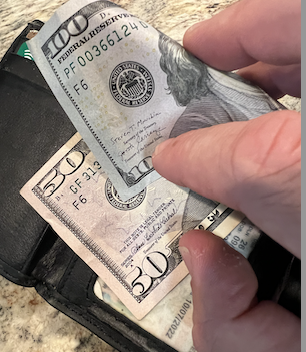 The value of personal injury cases in Pennsylvania varies whether you’re in Western PA (Pittsburgh and the surrounding counties) or in Eastern PA. The Eastern PA verdicts are much higher.
To learn about recent verdicts and settlements for comparison, click here.
What barriers exist to a recovery for compensation in a personal injury case?
Persons injured in Pennsylvania may be entitled to an award to compensate the more losses and damages flowing logically from the accident, such as money for for pain and suffering, lost wages, property damages, and more. However, the law imposes certain barriers to recovery in some cases.
Jury Skepticism. Many jurors have simply seen too many lawyer commercials, to put it candidly. This is particularly true in Western PA, where jury verdicts tend to be significantly lower than in Eastern PA in the Philadelphia area.
Governmental Immunity – Caps on Recoveries. If your suit is against a governmental entity for negligence, such as negligent maintenance of its property, you must give formal written notice of your claim within 6 months and the amount you can recover in damages is limited.
Limited Tort. If you’re a motorist who had elected the limited tort option in Pennsylvania, you cannot make a claim for “pain and suffering” unless your case meets certain exceptions or your injuries amount to a serious or permanent impairment of an important bodily function.
If I file on the general docket — not small claims court or arbitration — who decides my claim for money damages?
Answer: a judge or jury. There’s aways the right to trial by a judge, but what about a jury? When seeking money along (not an injunction to physical restrain someone from doing something) PA generally recognizes the right to trial by jury. However, the right is not absolute. Click here for more.
What if I have questions about particular areas of law and particular legal needs?
Below is a link to pages and articles we’ve written about particular areas of law. We’ve also created a separate FAQ page for each.
-
-
-
- Breach of Contract claims and defenses. For more, click here.
- Debt Defense Including the non-payment of any debt, including credit card debt, student loans, first or second mortgages, and more. Click here for the main article on debt defense and Answers to Frequently Asked Questions (FAQs), and here for more answers to FAQs about defending claims for non-payment of debt.
- Trade Secrets Claims and Defenses. Click here for more.
- Limited Tort Claims and Defenses generally, go to our main limited tort page.
-
-
Can you get an award for punitive damages in Pennsylvania?
 Yes, but only in certain cases involving reckless or intentional conduct amounting to a tort or other right statutorily protected. Examples of torts include: negligence (roadway negligence or the improper maintenance of property for example), defamation, or tortious interference with contract.
That said, in PA, a contract in PA may not punish a defendant. We no longer have “debtor’s prisons” in Pennsylvania. As such, a judge or jury may not punish a defendant for breaching an agreement in PA. However, a party’s conduct that amounts to both breach of contract and a tort may warrant the imposition of punitive damages for the conduct. For example, a home improvement contractor (click here) — who intentionally and fraudulently deceives the home owner into paying down payment with no intention to do any work — may be liable for both compensatory and punitive damages.
Additionally, a defendant’s violation of PA’s consumer protection law may entitle the plaintiff to an award for triple or treble damages, based on PA’s Unfair Trade Practices and Consumer Protection Law. Click here for more. That said, the defendant’s same conduct may also warrant a recovery by the same plaintiff for punitive damages based on a tort claim for reckless or intentional conduct. Click here for more..
Is there a cap on punitive damages in PA?
No. But the United States Supreme court has opined that a punitive damage award violates the Constitution as excessive if it exceeds actual damages times ten (10). Hence, in a case involving actual damages of 100K, the punitive damages should not exceed $1,000,000, constitutionally. Click here for more.
How and when can a judge reduce a jury’s high verdict?
Yes. A judge can reduce a jury verdict if the amount “shocks the judicial conscience” of the judge. This happens only on rare occasion, but when it does, a massive verdict for the plaintiff gets slashed downward dramatically.
Click here for more.
What is a “deposition”?
A deposition when one party to a civil case takes recorded testimony under oath of a witness, who could be another party to the case or another individual unrelated to the case but who witnesses something of consequence. In terms of preparing to testify at your deposition, we’ve written a detailed description of what to expect, exactly. Click here for all the details.
In my civil litigation matter, I have been asked to give a “statement.” Should I?
Generally, no. Anything you say can be used against you in civil court, just like criminal court. However, there are some limited instances when giving a statement can work to your benefit. Talk to a lawyer before giving any oral, written, or recorded statement to anyone. Click here for more information.
What can I expect to receive from filing suit all the way to a final judgment?
The civil court system exists for two reasons: first, to compensate or make whole those who were injured through another’s (a) careless conduct or (b) their failure to follow the terms of a contract. And secondly, the civil court system exists to create closure. However, there are limits to what the system can actually accomplish.
What’s the difference between a lawyer and a “litigator”?
Being a litigator requires a certain skill set and lifestyle, which not all lawyers possess. Click here to learn more.
Is an attorney and lawyer the same thing?
Yes. It’s the exact same thing.
Can you get in trouble for talking about a lawsuit claim or defense outside of court? What if I go to the press with my issue with another party? Can they sue me for defamation?
The answer is, it depends. Click here for more information.
Let’s Get Started!
Contact a counselor at law at our firm for any matter in Western Pennsylvania.
412.342.0992
Email Us Today